
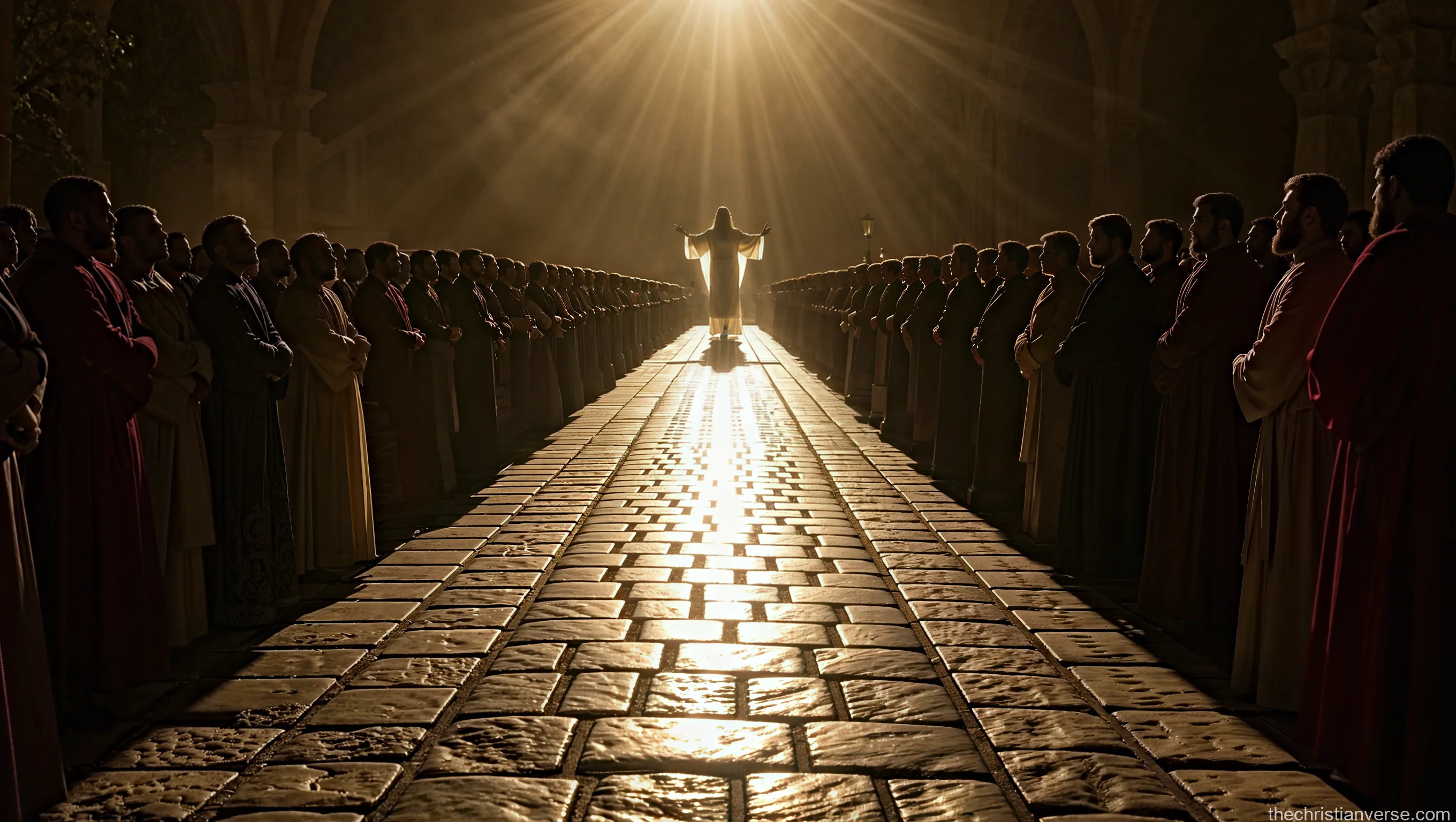
Psalms 99:2 - Yahweh is great in Zion. He is high above all the peoples.
Select Bible Verse
Filter Categories
A
B
C
D
E
F
G
H
I
J
K
L
M
N
O
P
R
S
T
U
V
W
What does "Psalms 99:2" mean?
Psalm 99:2 declares two interconnected truths about Yahweh (God):
"Yahweh is great in Zion." Zion is both a literal place (a hill in Jerusalem) and a symbolic one (representing Jerusalem, the Temple, and ultimately, God's dwelling place among his people). The phrase "great in Zion" suggests that God's power, glory, and majesty are particularly manifest or revealed in his relationship with his chosen people, Israel. It emphasizes God's presence and active involvement in the lives and worship of his people.
"He is high above all the peoples." This statement establishes God's supreme authority and sovereignty over all nations and peoples, not just Israel. "High above" signifies his transcendence, meaning he is superior to and beyond human comprehension and earthly powers. It reinforces that even while he has a special relationship with Zion, his rule and dominion encompass the entire world.
In essence, the verse highlights a tension between God's particular relationship with his chosen people and his universal authority:
He is great in Zion, intimately involved with his people.
He is high above all peoples, ruling over everything.
Possible interpretations and implications:
God's Character: The verse portrays God as both accessible and transcendent, both near and far.
Israel's Role: The special relationship with Zion implies a responsibility for Israel to reflect God's greatness to all the nations.
Universal Kingship: Despite being associated with a particular location, God's kingdom is ultimately universal.
Worship: The verse is often used as a call to worship, recognizing both God's nearness and his majesty.
Humility: It calls people to acknowledge their place before a God who is beyond them and rules all.
The verse is part of a psalm celebrating God's kingship and justice, and it sets the stage for further praise of his holiness and righteousness.
Psalms 99:2 - Yahweh is great in Zion. He is high above all the peoples.
What does "Psalms 99:2" mean?
Psalm 99:2 declares two interconnected truths about Yahweh (God):
"Yahweh is great in Zion." Zion is both a literal place (a hill in Jerusalem) and a symbolic one (representing Jerusalem, the Temple, and ultimately, God's dwelling place among his people). The phrase "great in Zion" suggests that God's power, glory, and majesty are particularly manifest or revealed in his relationship with his chosen people, Israel. It emphasizes God's presence and active involvement in the lives and worship of his people.
"He is high above all the peoples." This statement establishes God's supreme authority and sovereignty over all nations and peoples, not just Israel. "High above" signifies his transcendence, meaning he is superior to and beyond human comprehension and earthly powers. It reinforces that even while he has a special relationship with Zion, his rule and dominion encompass the entire world.
In essence, the verse highlights a tension between God's particular relationship with his chosen people and his universal authority:
He is great in Zion, intimately involved with his people.
He is high above all peoples, ruling over everything.
Possible interpretations and implications:
God's Character: The verse portrays God as both accessible and transcendent, both near and far.
Israel's Role: The special relationship with Zion implies a responsibility for Israel to reflect God's greatness to all the nations.
Universal Kingship: Despite being associated with a particular location, God's kingdom is ultimately universal.
Worship: The verse is often used as a call to worship, recognizing both God's nearness and his majesty.
Humility: It calls people to acknowledge their place before a God who is beyond them and rules all.
The verse is part of a psalm celebrating God's kingship and justice, and it sets the stage for further praise of his holiness and righteousness.