
Luke 3:10 - The multitudes asked him, “What then must we do?”
Select Bible Verse
Filter Categories
A
B
C
D
E
F
G
H
I
J
K
L
M
N
O
P
R
S
T
U
V
W
What does "Luke 3:10" mean?
The verse "The multitudes asked him, “What then must we do?”" (Luke 3:10) encapsulates the impact of John the Baptist's powerful preaching and the people's yearning for change. Here's a breakdown of what it means:
Context: John the Baptist was preaching a message of repentance and preparing the way for Jesus. He was calling people to turn away from their sins and be baptized as a sign of their commitment to change.
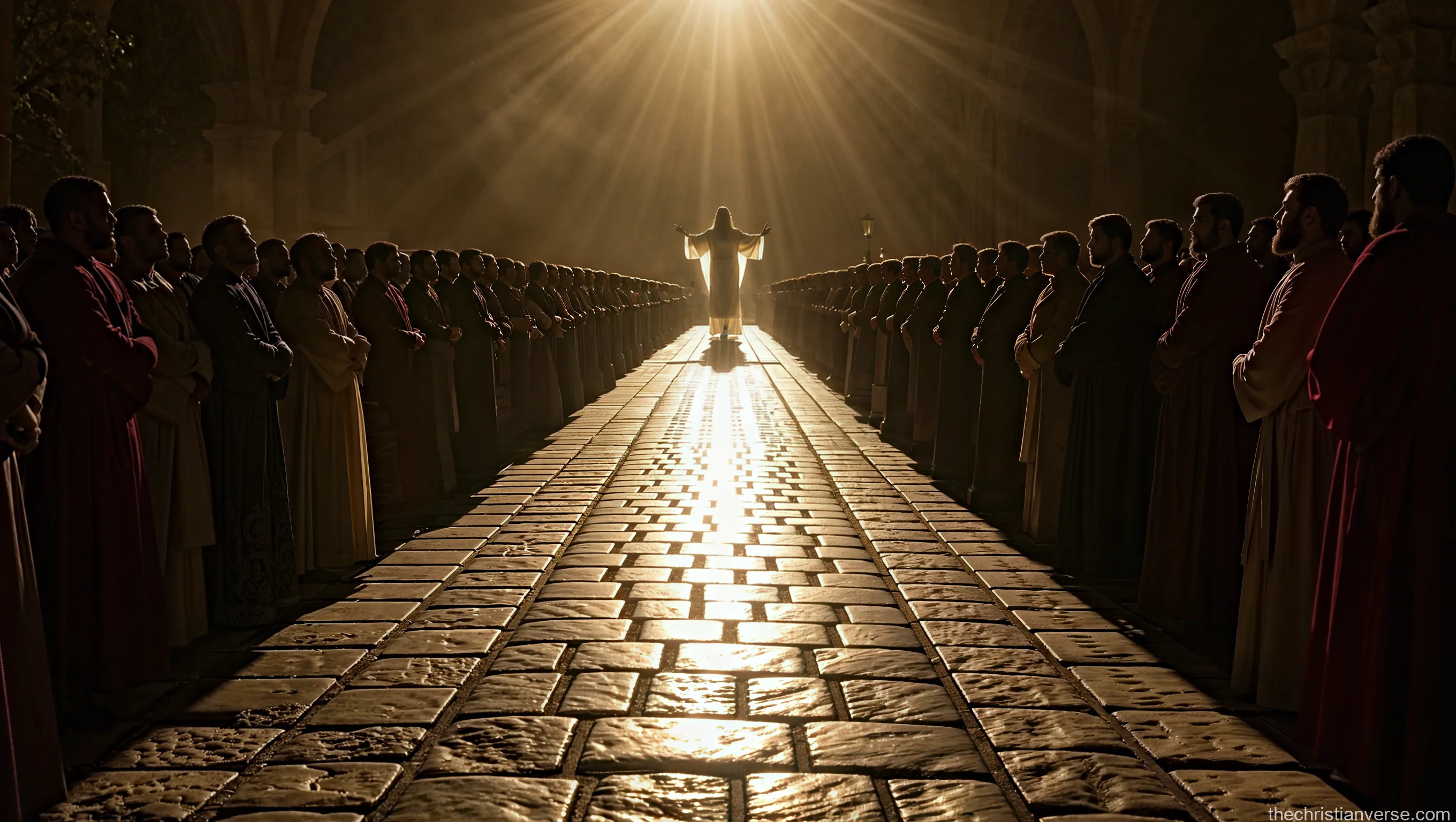
The Multitudes: These were ordinary people from all walks of life who were listening to John's message. They were moved by his words and realized they needed to do something to align themselves with God's will.
"What then must we do?" This question is a crucial turning point. It shows that the people were:
Convicted: They recognized the need for change in their lives. John's preaching had pierced their hearts, making them aware of their shortcomings.
Seeking Guidance: They genuinely wanted to know how to live a better life, one that was pleasing to God. They were looking for practical steps they could take.
Ready to Act: They weren't just passively listening; they were actively seeking ways to put John's message into practice.
Significance: This verse highlights the importance of responding to the call to repentance and seeking guidance on how to live a righteous life. It demonstrates that faith requires action. John's answer to their question (and the questions of the tax collectors and soldiers that follow) provides specific examples of how they could put their faith into practice by treating others with fairness, generosity, and honesty.
In essence, the verse reflects the desire of people to not just hear the word, but to apply it to their lives and actively seek ways to live in accordance with God's will.
Luke 3:10 - The multitudes asked him, “What then must we do?”
What does "Luke 3:10" mean?
The verse "The multitudes asked him, “What then must we do?”" (Luke 3:10) encapsulates the impact of John the Baptist's powerful preaching and the people's yearning for change. Here's a breakdown of what it means:
Context: John the Baptist was preaching a message of repentance and preparing the way for Jesus. He was calling people to turn away from their sins and be baptized as a sign of their commitment to change.
The Multitudes: These were ordinary people from all walks of life who were listening to John's message. They were moved by his words and realized they needed to do something to align themselves with God's will.
"What then must we do?" This question is a crucial turning point. It shows that the people were:
Convicted: They recognized the need for change in their lives. John's preaching had pierced their hearts, making them aware of their shortcomings.
Seeking Guidance: They genuinely wanted to know how to live a better life, one that was pleasing to God. They were looking for practical steps they could take.
Ready to Act: They weren't just passively listening; they were actively seeking ways to put John's message into practice.
Significance: This verse highlights the importance of responding to the call to repentance and seeking guidance on how to live a righteous life. It demonstrates that faith requires action. John's answer to their question (and the questions of the tax collectors and soldiers that follow) provides specific examples of how they could put their faith into practice by treating others with fairness, generosity, and honesty.
In essence, the verse reflects the desire of people to not just hear the word, but to apply it to their lives and actively seek ways to live in accordance with God's will.